
Water Pressure And Hot Water For A Luxury Bathroom In Exeter
Luxury Bathrooms Exeter
A 300 millimetre ceiling rainfall head can want 15 litres of mixed water a minute. Add four body jets and the shower is asking for nearer 30. A double-ended freestanding bath swallows around 200 litres before you climb in. Plenty of Exeter houses can’t supply that, and nothing in a showroom will tell you so. The water pressure and hot water behind a luxury bathroom get decided at the stop tap and the airing cupboard, long before anyone picks a finish. This guide covers the supply side: what your fittings will draw, how to measure what comes into the house, which hot water system can keep up, and the rules on pumps that catch people out. Run the numbers before you fall for a shower and you avoid the most expensive mistake there is in a new bathroom, which is a beautiful one that never quite works.
What a luxury bathroom asks of your water pressure
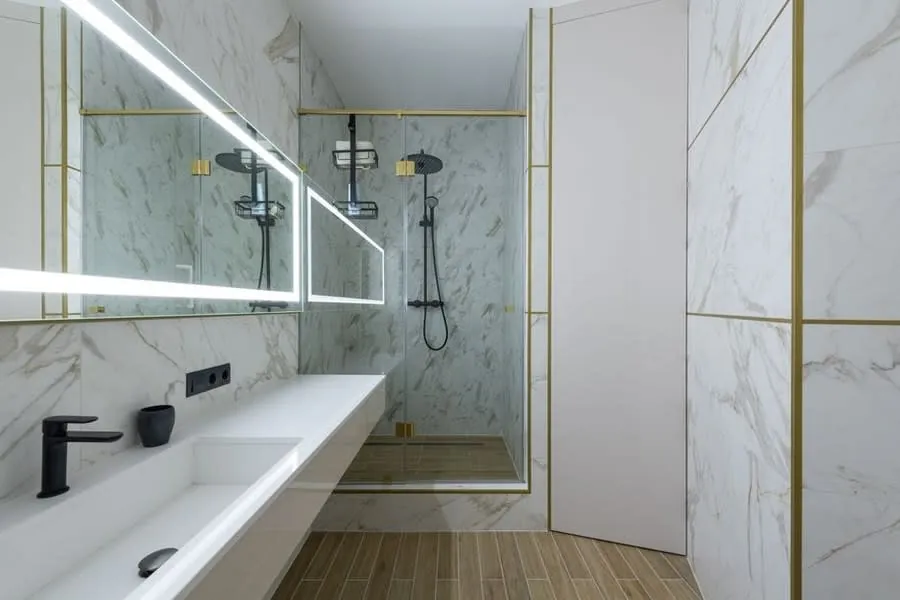
Every outlet has a flow it needs to work properly, and the manufacturer prints it on the data sheet. People rarely add them up. A typical wall-mounted shower head is happy on 8 to 10 litres a minute. Large ceiling heads are commonly rated anywhere from 12 to 20, and they need it, because below that figure the water dribbles from the middle of the plate instead of falling across the whole face. Body jets usually take a few litres each. A handset left running alongside the overhead head adds its own share.
So a walk-in shower with a big head, a handset and a row of jets can need 25 litres a minute or more, and a good share of that has to be hot. That is before anyone runs a basin tap or a second bathroom comes into use. When we plan walk-in shower installations we total the outlets that will run at the same time, then compare that figure with what the house can deliver. If the two don’t meet, either the wish list changes or the supply does. There isn’t a third option. The same arithmetic sits behind our guide to steam showers and spa bathrooms, where body jets come up again.
Flow rate and pressure are two different problems
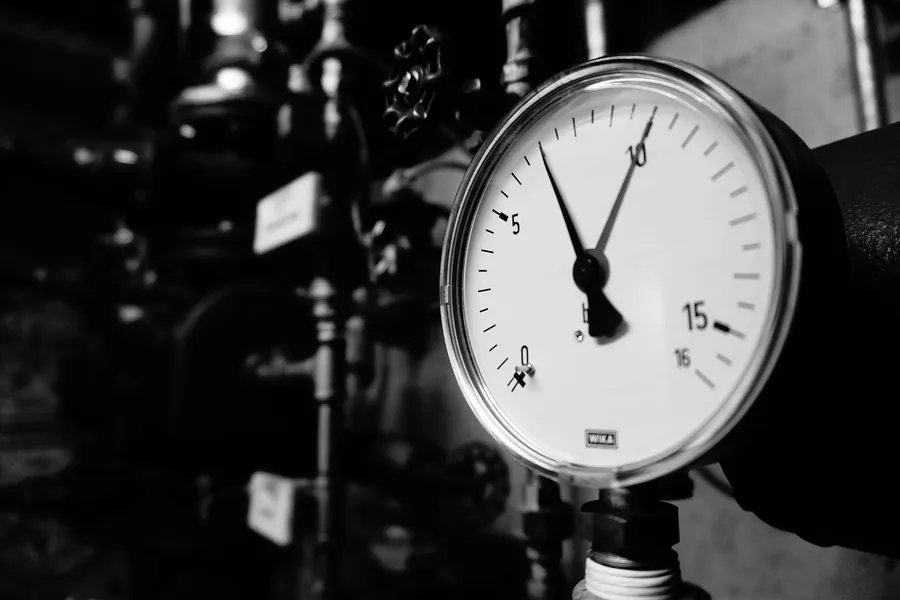
Pressure is the push, measured in bar. Flow is the quantity, measured in litres a minute. A garden hose with your thumb over the end has plenty of push and very little quantity. A wide pipe from a loft tank gives a lazy, generous flow with almost no push at all. A good shower needs enough of both.
The number that misleads people is static pressure, the reading on a gauge with every tap in the house shut. A house can show 3 bar static and still give a feeble shower, because the pressure collapses as soon as water starts moving through a narrow or furred-up supply pipe. What matters is working (dynamic) pressure, measured with water flowing, and the flow you get at that pressure.
That is why we ask for both figures before talking about outlets. High static pressure with poor flow usually points to the pipe between the road and the house. Low pressure with decent flow points to height or to a gravity system. They have different fixes, and mixing them up is how people end up paying for a pump that makes no difference.
Testing your water pressure and flow before you choose a shower
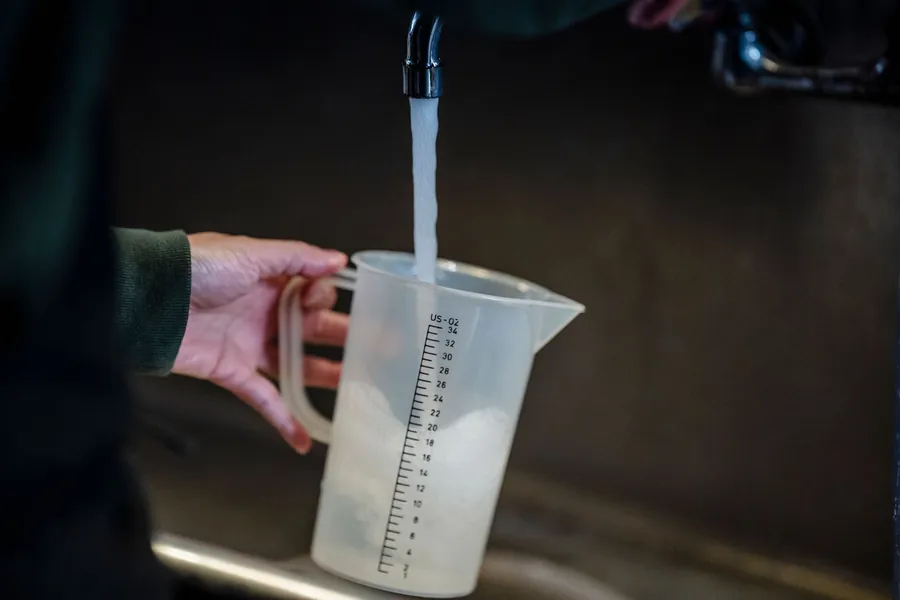
You can get a fair idea yourself with a jug and a phone. Use the kitchen cold tap, which in most houses comes straight off the rising main. Open it fully, fill a measuring jug or bucket for exactly six seconds, and multiply the litres by ten. That gives litres a minute. Then do it again with the bath tap upstairs running, to see how much the flow drops when two outlets share the supply.
For pressure, a screw-on gauge costs a few pounds and fits an outside tap or the washing machine valve. Read it with everything off, then again with a tap running somewhere else. Repeat the whole test between seven and eight in the morning, when half the street is showering. A supply that looks healthy at two in the afternoon can sag noticeably at peak time, and peak time is when you will be using the new shower.
If you want to know what counts as acceptable, WaterSafe’s guidance on household water pressure explains the standards water companies work to and what a reading in your kitchen means. We take the same readings on every survey, plus the temperature of the hot water at the bathroom and how long it takes to arrive. Those numbers go on the drawing next to the outlets, so the shower is picked to suit the house.
Exeter water pressure: your street and your supply pipe

Exeter has drawn water from the Exe at Pynes, north-west of the city, since the 1830s, and South West Water still treats it there. What arrives at your stop tap, though, depends far more on two things close to home: how high your house sits and the condition of the pipe from the road.
Exeter is a hilly city. It climbs from the riverside at St Thomas and the Quay up to the steep roads of Pennsylvania and Stoke Hill, and a house’s height relative to the main supplying it affects its pressure. Neighbours a few streets apart can see quite different readings, so a friend’s great shower across town tells you nothing about yours.
The regulator’s minimum is modest. Water companies must keep at least 0.7 bar (seven metres of static head) in the communication pipe up to your outside stop valve, and the Consumer Council for Water’s low pressure advice is clear that the company’s duty ends there. From the stop valve to the kitchen, the supply pipe belongs to you. In older Exeter houses that pipe is often the weak link: half-inch copper, galvanised steel or, in homes built before the 1970s, lead. Swapping it for a 25 millimetre or larger blue polyethylene pipe means digging a trench across the front garden, but it is often the single change that lets a mains-pressure system deliver what the brochure promises.
Combi, unvented cylinder or heat pump cylinder
Once the cold supply is understood, the next question is how the hot water is made and stored. Three systems come up in nearly every luxury bathroom we plan.
Combi boiler
A combi heats water as it passes through, so its limit is litres per minute, set by its power. As a rough guide, a 30kW combi manages around 12 to 13 litres a minute at shower temperature in winter, when the incoming mains is cold. That runs one generous head well. It can’t run a ceiling head, a handset and jets together, and it can’t fill a big bath quickly. In a one-bathroom flat a good combi is often the right answer. In a family house with a principal suite, it is usually the bottleneck.
Unvented cylinder
An unvented cylinder stores hot water at mains pressure, so the flow you get is limited by the incoming supply rather than a burner. Sizes of 210 to 300 litres are common in houses with two bathrooms and a large bath. Most cylinder makers want something around 1.5 bar and 20 litres a minute at the incoming main before their performance figures hold, which is another reason the supply pipe matters. Fitting one is notifiable building work, and the installer must be qualified for unvented systems under Part G3 of Approved Document G on hot water safety. It also needs a safe discharge route through a tundish and an annual service.
Heat pump cylinder
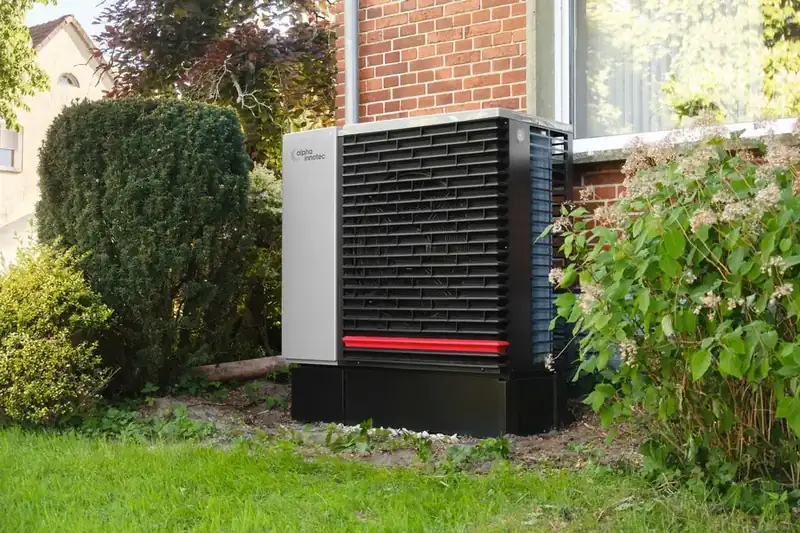
A heat pump cylinder is also usually unvented, with a larger coil to suit the heat pump’s lower flow temperatures. The catch for a luxury bathroom is that heat pumps work most efficiently storing water at around 45 to 50°C rather than the 60°C a boiler typically gives. Cooler stored water means less cold gets mixed in, so you run out sooner. A household moving to a heat pump usually needs a bigger cylinder than it had, and has to accept a slower reheat after a long bath.
Pumps, and when the water regulations say no
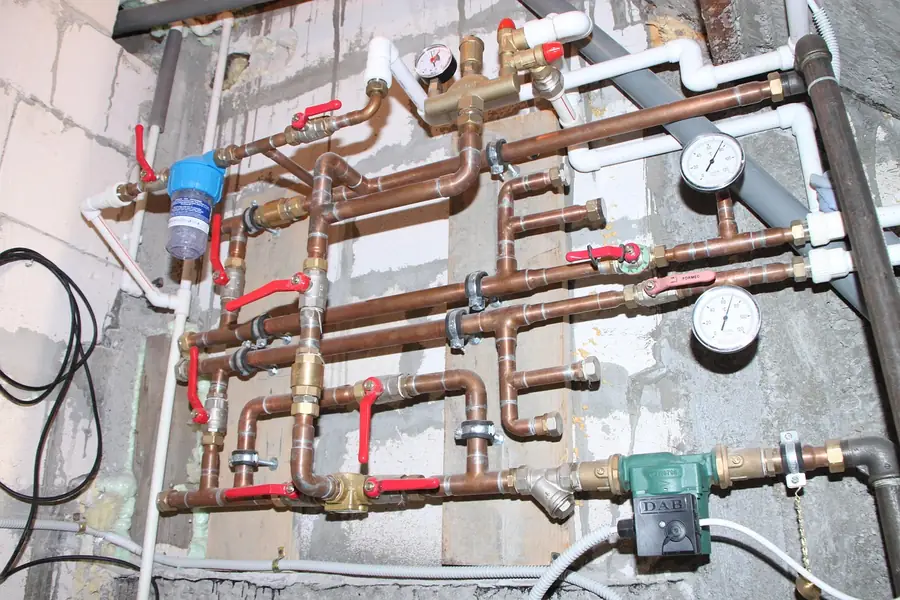
Pumps have their place. On a gravity system, with a cold tank in the loft feeding a vented cylinder, a shower pump is the normal way to give a big head something to work with. We covered sizing one in our guide to choosing a shower, so we won’t repeat it here.
Where people go wrong is reaching for a pump on the mains. Under regulation 5 of the Water Supply (Water Fittings) Regulations 1999, a pump or booster drawing more than 12 litres a minute from a supply pipe has to be notified to the water company before it goes in. South West Water can then refuse it or attach conditions. Water companies have good reason to be wary: a pump pulling hard on the main can drag down the pressure next door. Most shower pump makers also forbid connecting their pumps to mains-fed or combi systems.
The legitimate routes look different. Where static pressure is fine but flow sags at peak times, a cold-water accumulator stores mains water under pressure and releases it when demand jumps. It refills slowly in between. Where the supply is truly poor, a break tank with a pump set feeding the house lets you boost from your own stored water rather than from the main. Both need space, usually in a garage, utility or loft, so they belong in the plan from the first drawing. Don’t confuse either with the electronic valves from our recent post on concealed shower valves and digital showering. Those control temperature. They can’t add a litre of flow.
Filling a big freestanding bath without a lukewarm soak
A large double-ended bath is where a weak hot water system gets found out. Take a 200 litre fill at 40°C. In winter Devon mains water arrives at around 10°C, so with a cylinder stored at 60°C roughly 120 of those litres come from the cylinder. Store at 50°C, as many heat pump systems do, and you need about 150 litres of hot water for the same bath. A 150 litre cylinder can manage that, but whoever wants the rainfall shower straight afterwards will be standing under cold water.
A combi fills the same bath at its own fixed rate. At 12 or 13 litres a minute that is well over a quarter of an hour, and the water cools as you wait. For freestanding baths we run larger feeds to the bath filler wherever the route allows, because a floor-standing filler at the end of a long, thin pipe fills slowly however good the cylinder is.
There is a rule here too. Regulation 5 requires notice to the water company before installing a bath holding more than 230 litres, measured to the centre line of the overflow. Some of the larger stone resin and cast iron baths cross that line. When one does, we send the notice before work starts. Our freestanding baths page covers the floor-loading side of a heavy bath, which is a separate question but often comes up in the same survey.
Common questions
Why does my rainfall shower feel weak on a combi boiler?
A combi can only heat a fixed number of litres a minute, and a large rainfall head often needs more than that. Below its rated flow the head can’t spread water across the plate, so the shower feels thin even when the combi is working properly.
Can I put a pump on my mains water to boost a shower?
Not as a quick fix. A pump or booster drawing more than 12 litres a minute from the supply pipe must be notified to the water company under the Water Fittings Regulations, which can refuse it. Combis and unvented cylinders should not be pumped. A cold-water accumulator or a break tank with a pump set are the usual legal alternatives.
How do I check my water flow rate at home?
Open the kitchen cold tap fully, fill a measuring jug or bucket for six seconds and multiply the litres by ten to get litres a minute. Repeat it with another tap running and again at the morning peak to see how far the flow drops.
Do I need permission to fit a large freestanding bath?
You don’t need planning permission, but a bath holding more than 230 litres to the centre line of the overflow must be notified to the water company before it is installed. Many standard freestanding baths are under that size, so check the capacity on the specification sheet.
Book a survey and we’ll measure your Exeter water supply before you choose a shower