
How To Choose A Shower: Electric, Mixer Or Digital
Luxury Bathrooms Exeter
Here is the single most useful thing to understand before you spend a penny on a shower: the shower you can have is decided by the water system you already own, not by the one in the brochure. Choose the head first and the valve first and you will very often be disappointed, because the house cannot supply what they need. Start with the system and everything else follows.
This is the reason so many people end up with a shower weaker than the one they replaced. They bought the beautiful ceiling-mounted rainfall head, and their combi boiler simply cannot heat enough water per minute to make it work. Nothing was faulty. The head was asking for more than the system had to give.
So this is the honest order to think about it in: work out what you have got, understand what that allows, then choose the shower. And there is a specifically Devon twist at the end, because our water is soft, which changes what you should specify.
First, work out which water system you have
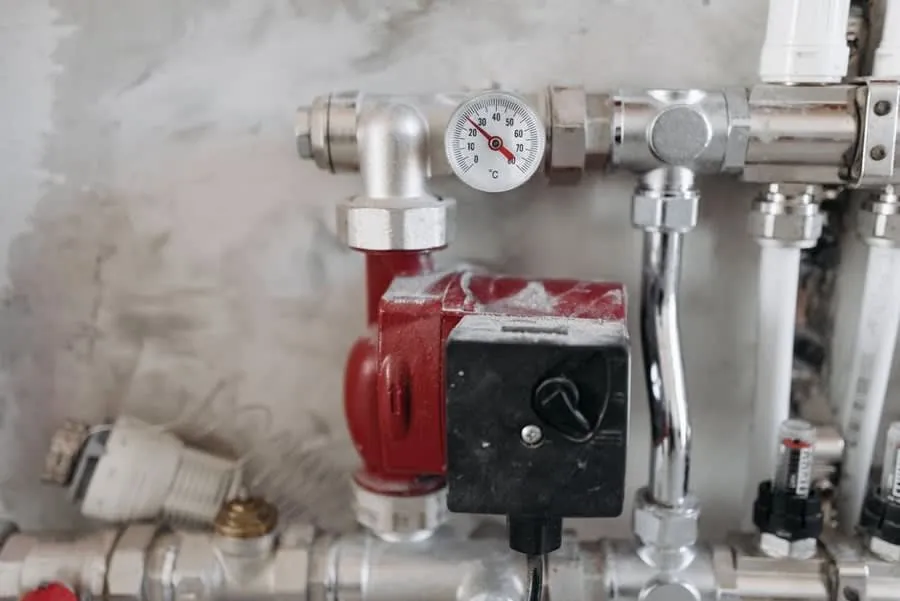
Almost every home falls into one of three camps, and knowing which one yours is answers most of the questions that follow.
A combi boiler heats water on demand and has no hot water tank. If you have no cylinder in an airing cupboard and no cold tank in the loft, you almost certainly have a combi. Its defining trait is that it is limited by flow rate: there is a maximum number of litres per minute it can heat, and if you run two things at once, that flow gets split. Delivery is usually around one to one and a half bar of pressure.
An unvented cylinder, of which Megaflo is the best-known make, is a hot water tank fed at mains pressure. If you have a large insulated cylinder but no cold tank in the loft, this is likely you. It gives high flow at good pressure, commonly three to five bar, which makes it the friendliest system for a powerful shower.
A gravity-fed, or vented, system has both a cold tank in the loft and a hot cylinder lower down, and it is common in older Exeter houses that have not been updated. It is the weak one, because the pressure comes only from the height of the loft tank above the shower, roughly a tenth of a bar for every metre of drop. A first-floor shower sitting not far below the tank has very little push behind it, which is exactly why gravity-fed showers so often disappoint.
What each system lets you have
Once you know the system, the sensible shower more or less picks itself.
On an unvented cylinder, you can have almost anything, including a large rainfall head, because the flow and pressure are both there. This is the system a big showering experience wants, and if you are reconfiguring the house anyway it is worth knowing that.
On a combi, a good mixer shower works well, but you have to respect the flow ceiling. A single generous head is fine. A huge ceiling head plus body jets is asking the boiler to heat more water per minute than it can, and the result is a shower that runs cool or drops in pressure when the kitchen tap goes on. Match the head to the boiler’s output rather than to your ambitions and a combi gives a perfectly good shower.
On a gravity-fed system, an unboosted shower is usually weak, and the standard fix is a shower pump. This is the one system where a pump belongs, and a well-chosen one transforms it. Which brings us to the rule that saves the most grief.
The pump rule that matters

A shower pump is only for a gravity-fed system. You cannot pump a combi, and you must not pump the outlet of an unvented cylinder. Both already run at or near mains pressure, and trying to boost them is not permitted and can cause real damage. If a firm suggests pumping your combi to fix a weak shower, that is a firm that has not identified your system correctly.
For a gravity system, pumps are rated in bar, and the number should match the job. Around one and a half bar is enough to roughly double the flow of a single ordinary head, which is the usual domestic upgrade. Two to two and a half bar suits a larger head or a proper power shower. Three bar and above is for big rainfall heads, body jets, or a household running more than one bathroom at once.
The reason this matters beyond the shower itself is that it is the most common reason a beautiful new shower underperforms. The head and valve were fine. The system behind them was never going to deliver, and nobody checked. This is exactly the kind of thing we measure on a survey before specifying anything, and it is a question worth asking any fitter directly.
Electric showers, and the winter problem
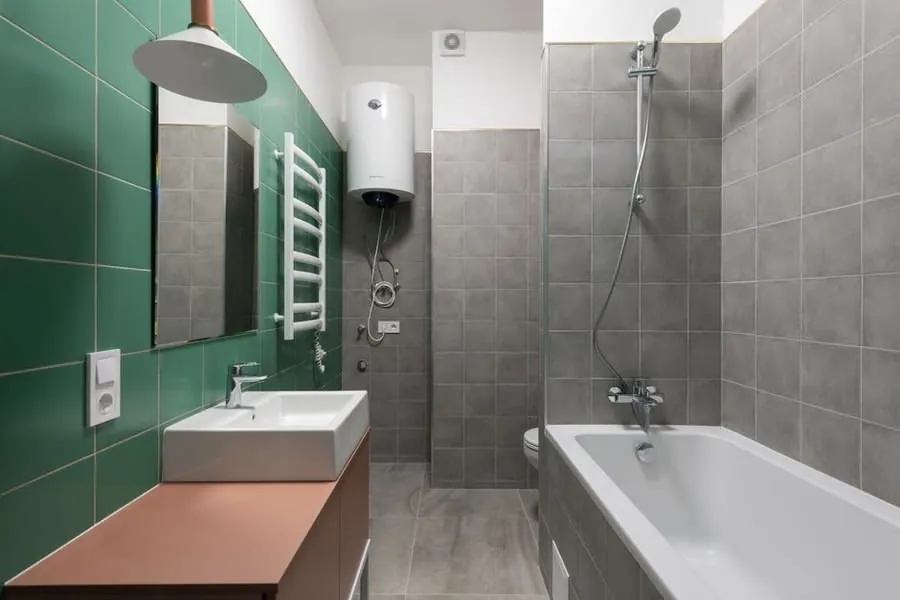
An electric shower is a different animal entirely. It takes cold water straight off the mains and heats it as it passes over an element, so it does not care what your hot water system is doing. That independence is its great strength: it works when the boiler is off, and it keeps running when someone else is using the hot water.
The trade-off is the one nobody mentions in the showroom, and it is a real one in a Devon winter. Because an electric shower heats the water as it flows, the power of the unit sets how much warm water you can have. The rating, from around 7.5 up to 10.5 kilowatts on mainstream units, is not marketing. A higher kilowatt rating heats more water to temperature, so it gives a warmer flow at a usable rate.
Here is the winter catch. In summer the incoming mains water is relatively warm, so even a modest unit can heat plenty of it. In winter the mains water coming into the house is much colder, so the same unit has to work far harder to reach shower temperature, and the way it does that is by slowing the flow right down. A low-rated electric shower that felt fine in August can feel like a thin trickle in January. Manufacturers publish the figures: Triton’s own numbers put a common 8.5 kilowatt unit at roughly 3.3 litres a minute in winter against a 10.5 kilowatt unit at about 4.1. If you are fitting an electric shower and you want it to be pleasant in winter, buy as much power as your electrical supply will take.
One thing worth flagging on that: a new electric shower needs its own dedicated high-current circuit, and installing a new circuit is one of the categories of electrical work that is notifiable to building control under Approved Document P. It has to be certified by a registered electrician, which is worth having in the quote rather than discovering afterwards.
Mixer and digital showers
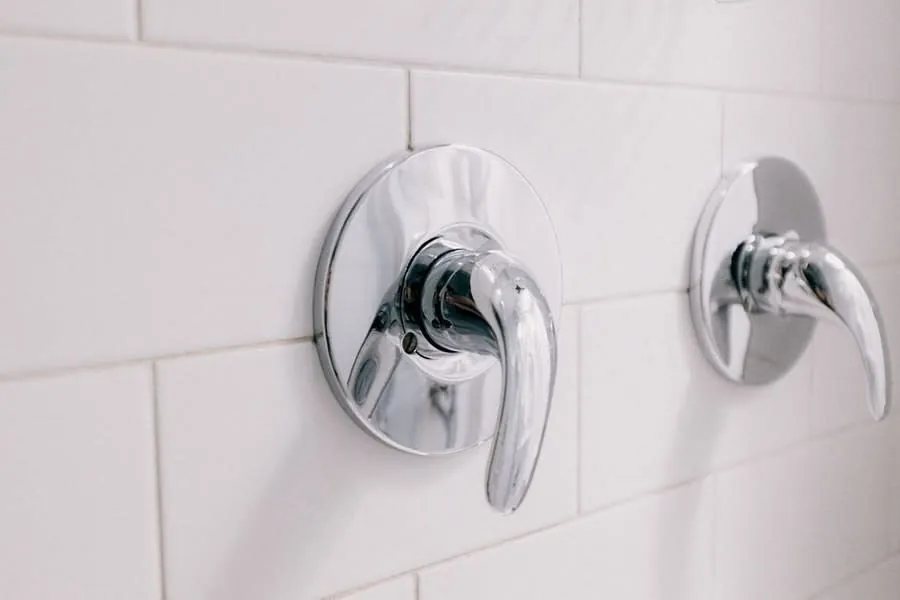
A mixer shower blends stored hot and cold water, so it draws on your hot water system rather than heating its own. It gives the fullest flow of any shower type provided the system can supply it, which is why it is the default choice on a good unvented cylinder or a well-matched combi. The one specification that matters most here is that the valve should be thermostatic.
A thermostatic valve holds the temperature steady when the pressure changes elsewhere in the house. Without one, someone flushing a loo or running the kitchen tap sends a jolt of scalding or freezing water through the shower, which is unpleasant at best and genuinely dangerous for children and older people at worst. There is a related building regulation, but it is narrower than people think: Approved Document G requires the hot water to a fixed bath to be limited to 48 degrees, and only in new dwellings or a change of use, not in a like-for-like replacement. We fit thermostatic valves as standard regardless, because the safety case is obvious and the cost is small.
A digital shower is a mixer with an electronic brain. A separate processor unit, often hidden in the loft or a cupboard, controls the valve, so you get precise preset temperatures and, on many models, the ability to start the shower warming from your phone before you step in. It is a genuine comfort upgrade. What it does not do is create pressure: a digital shower still depends on the underlying water system for flow, so a digital mixer on a gravity system may still need a pump behind it. The electronics control the temperature beautifully; they cannot conjure water the system does not have.
The Devon water angle
There is a local point that changes what we would specify, and it splits along the same line as everything else about water here.
South West Water classes almost all of its supply as soft or moderately soft, and Exeter’s water is soft surface water off Exmoor and the Exe. Soft water is kind to a shower: valves and heads do not scale up, and a thermostatic cartridge lasts. East Devon is the exception, because Exmouth, Sidmouth, Budleigh Salterton and Honiton draw hard water from boreholes through the Otter Valley sandstone. There, scale builds inside a shower valve and shortens its life, so we specify serviceable cartridges that can be replaced without pulling the valve body out of the wall. Twelve miles genuinely changes the right fitting, which we went into in our guide to choosing a bathroom fitter.
Whichever shower you land on, the enclosure it sits in is a separate decision, and if you are weighing up losing the tray altogether our comparison of wet rooms and walk-in showers covers that side of it.
Common questions
Why is my shower weak?
Almost always because the water system cannot supply what the shower is asking for. A gravity-fed system without a pump is the usual culprit, and the fix is a correctly rated pump. On a combi, it is usually a head that demands more flow than the boiler can heat. It is very rarely a fault, which is why replacing the head without diagnosing the system tends to change nothing.
Can I fit a rainfall shower?
It depends entirely on your water system. On an unvented mains-pressure cylinder, yes, comfortably. On a combi, only a modestly sized one matched to the boiler’s flow rate, because a large rainfall head asks for more hot water per minute than a combi can produce. On an unboosted gravity system, no: there is not enough pressure to make a big head anything other than a disappointment.
Do I need a thermostatic shower?
We would always fit one. It holds the temperature steady when a tap or loo is used elsewhere in the house, which prevents the sudden scald or cold blast. It is a comfort feature and a safety one at once, and the extra cost over a non-thermostatic valve is small.
Is an electric shower a good idea?
It is if you want a shower that works independently of your hot water system, for example as a second shower or in an en-suite that would otherwise strain the boiler. The thing to get right is the power rating: buy as high a kilowatt rating as your electrical supply allows, because a low-rated unit slows to a trickle heating cold winter mains water.
Should I upgrade my whole hot water system for a better shower?
Sometimes it is the honest answer, particularly if you are on an old gravity system and want a genuinely powerful shower. Moving to an unvented cylinder transforms what is possible, but it is a significant job and only worth it as part of wider work. On a survey we will tell you plainly whether a pump solves your problem or whether the system itself is the limit.