
Where To Spend And Where To Save On A Bathroom
Luxury Bathrooms Exeter
Two bathrooms in Exeter can cost exactly the same amount and age in completely different ways. One still looks and works beautifully after fifteen years. The other has a dripping tap at year three, a shower door that catches at year five, and a damp patch on the landing ceiling at year eight. The difference is almost never the total spent. It is how the total was divided up.
That division is the part nobody helps you with. Showrooms are set up to move your money towards the visible things, because a slab of veined marble sells itself in a way a tanking membrane never will. Yet on a typical renovation the fittings you can point at account for well under half the cost, and the half you cannot see is the half that decides whether the room lasts. So here is the honest map: where the money genuinely earns its keep, and where a mid-priced choice is every bit as good as the expensive one.
The rule that sorts every decision
Every spend-or-save question comes down to one test: what would it cost to change your mind later?
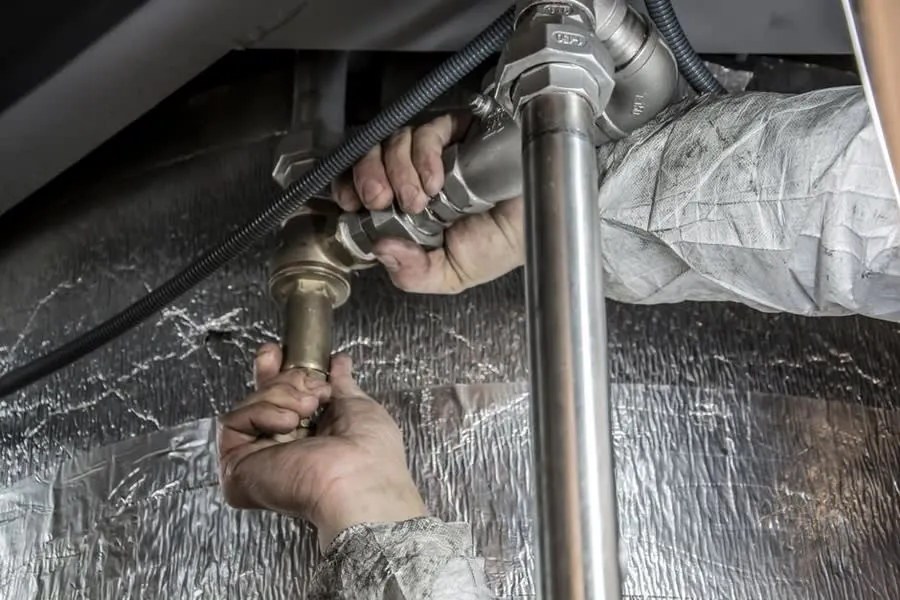
A mirror you go off can be swapped in an afternoon for the price of the mirror. A shower valve you go off, or that fails, sits behind tiles. Changing it means opening the wall, which means retiling, which often means retiling the whole wall because your tile has been discontinued. The valve itself might be a small fraction of that bill. The rest is the cost of reaching it.
So the money should flow towards everything that gets buried or built in - pipework, waterproofing, the valve bodies in the wall, the substrate under the tiles - and away from anything that sits on the surface and unscrews. It is close to the opposite of how most people instinctively budget, which is exactly why so many expensive bathrooms fail early. We priced out what full projects actually come to in our Exeter bathroom cost guide; this article is about how to divide whatever figure you land on.
Spend: the work you will never see again
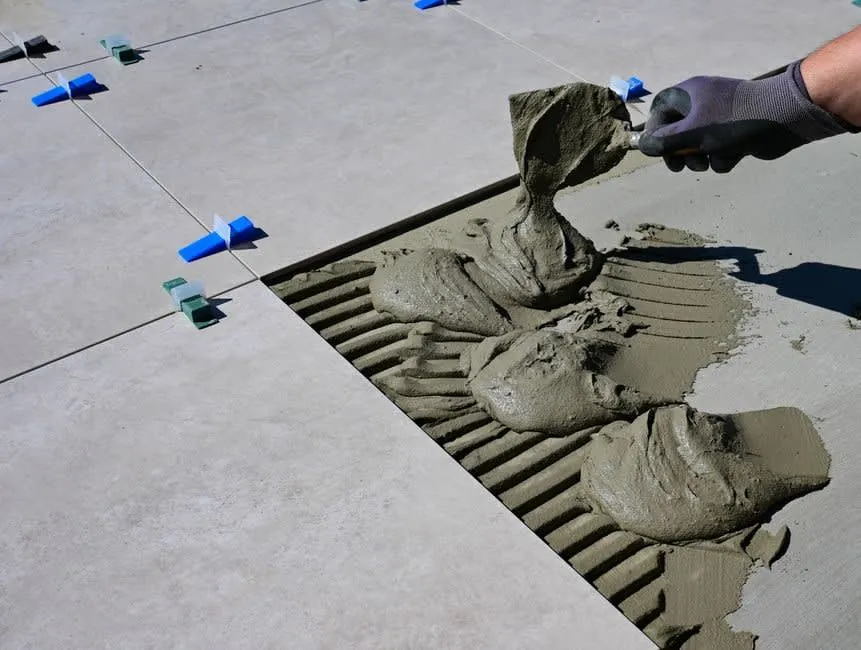
Preparation is the least glamorous line on any quote and the one we would protect last. Under a tiled shower area that means cement backer board rather than bare plasterboard, a proper tanking system across the wet zone, and a levelled, rigid floor before a single tile goes down. None of it photographs well. All of it is the difference between a shower and a slow leak.
The arithmetic is brutal. The tanking kit and boards for a typical shower enclosure cost less than most people spend on a tap. Water finding its way through a corner joint, unnoticed, for two years, costs a full strip-out plus whatever the joists and the ceiling below have absorbed. In an older house with timber floors there is no cheap version of that repair.
This is also where hidden electrics belong. Underfloor heating mats, shaver sockets, fan wiring and lighting circuits all go in at first fix, and bathroom electrical work falls under Part P of the building regulations, which means it needs a registered electrician who can certify it - Electrical Safety First explains what notifiable work covers. Pay for that certificate. It matters when you sell.
Spend: the parts you touch every single day
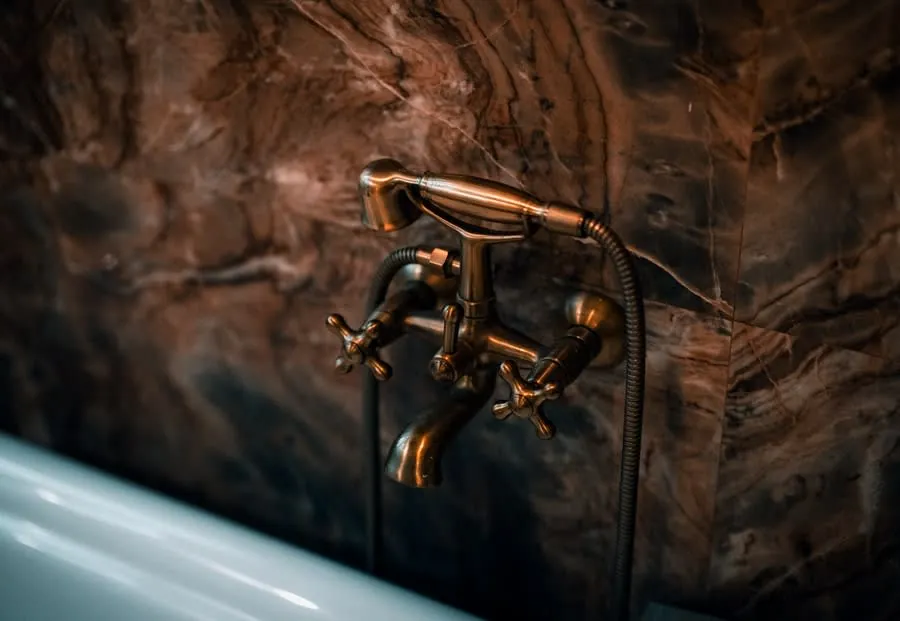
Brassware is where a bathroom announces its quality, and not visually. A good tap has a weight and a smoothness of action you feel every time you use it, and its ceramic cartridge will still feel that way in a decade. A cheap one is light in the hand, develops a drip or a wobble within a few years, and by then the matching range has vanished so the replacement never quite matches.
The difference is what is inside. Decent brassware is solid brass with serviceable cartridges and spare parts that stay available for years; budget fittings are often thin castings or plated zinc alloy with sealed internals that cannot be repaired, only replaced. Look for WRAS approval as a baseline - it certifies the fitting is safe to connect to the mains supply, and reputable manufacturers put everything through it.
The same logic applies double to anything buried. A concealed shower valve is brassware plus an excavation bill if it fails, so it is the single item on the whole schedule where we would least tolerate a cheap substitution.
Spend: the glass
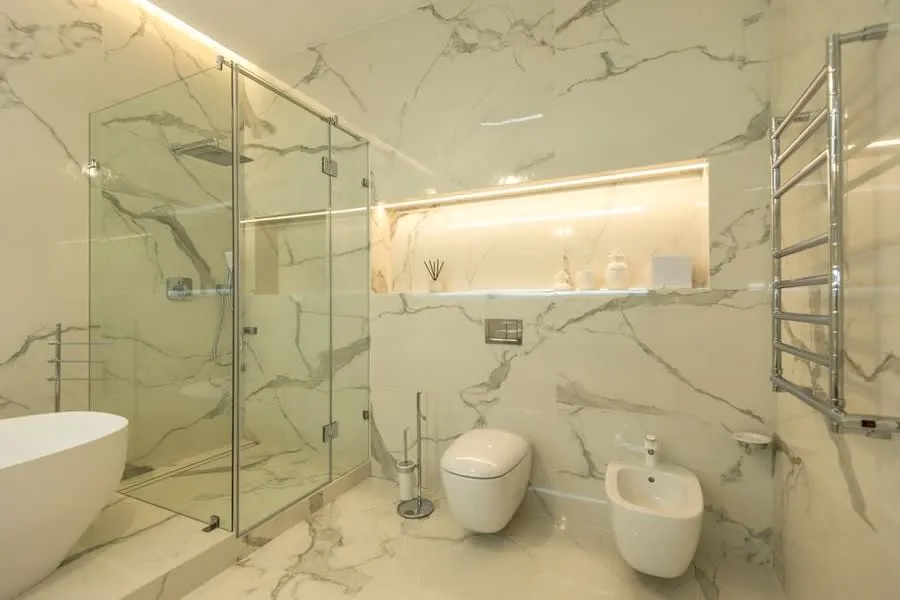
Shower enclosures are priced almost entirely on glass thickness and hardware, and both are worth paying for. A budget enclosure uses 4 or 5 millimetre glass in an aluminium frame; it flexes when you lean on the door, the rollers go gritty, and the frame traps water and grows mould in channels you cannot reach. A quality screen uses 8 or 10 millimetre toughened glass with solid hinges, and it swings shut with the sound of a car door.
There is a running-cost argument too. Thicker frameless screens usually come with an easy-clean coating fired onto the glass, and with fewer frame channels there is simply less places for soap and scale to lodge. Ten years of cleaning a framed enclosure versus wiping down a single sheet of glass is a real difference in your week, and it is bought once.
If the budget forces a choice between a larger enclosure in thin glass and a slightly smaller one in thick glass, take the smaller one. Nobody ever regretted solidity.
Save: sanitaryware, within reason
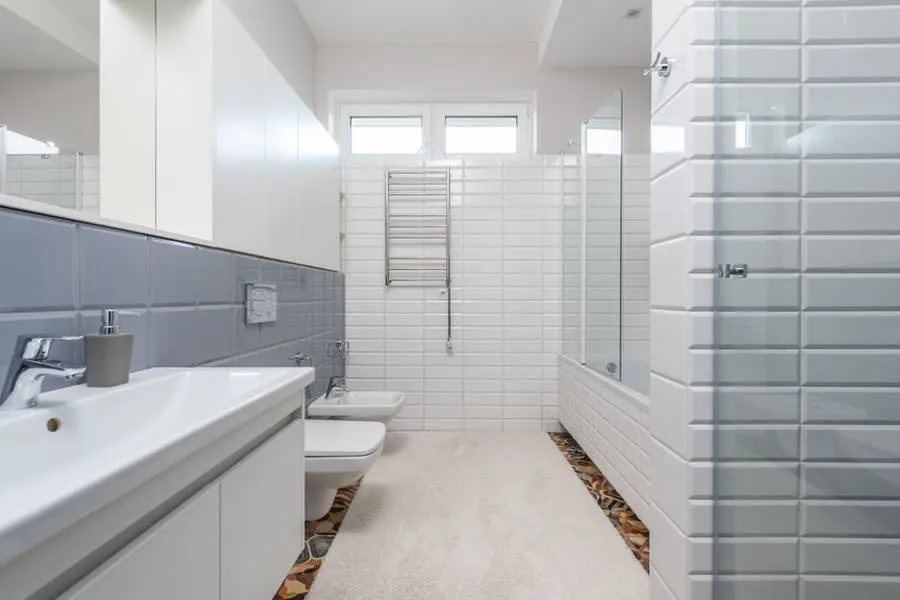
Here is a trade secret that saves four figures: vitreous china is vitreous china. A mid-range toilet pan or basin from an established manufacturer is fired from the same clay, glazed the same way, and will look identical in twenty years to one costing three times as much. Above the mid-market you are paying for the shape and the name, not for durability, and if a designer silhouette is what you want then buy it with clear eyes - but nobody should buy an expensive pan believing it works better.
Where quality does vary is the working parts, which are cheap. Specify a decent flush valve and fill valve, because those are what fail, and on a wall-hung toilet put the money into the steel frame and cistern hidden in the wall rather than the china hanging off it. A soft-close seat from the pan’s own manufacturer, rather than a universal one, is the other small spend that pays daily.
The same reasoning covers heated towel rails and most accessories: mid-range, well made, easily replaced, no drama.
Save: tiles, then spend it on the tiler
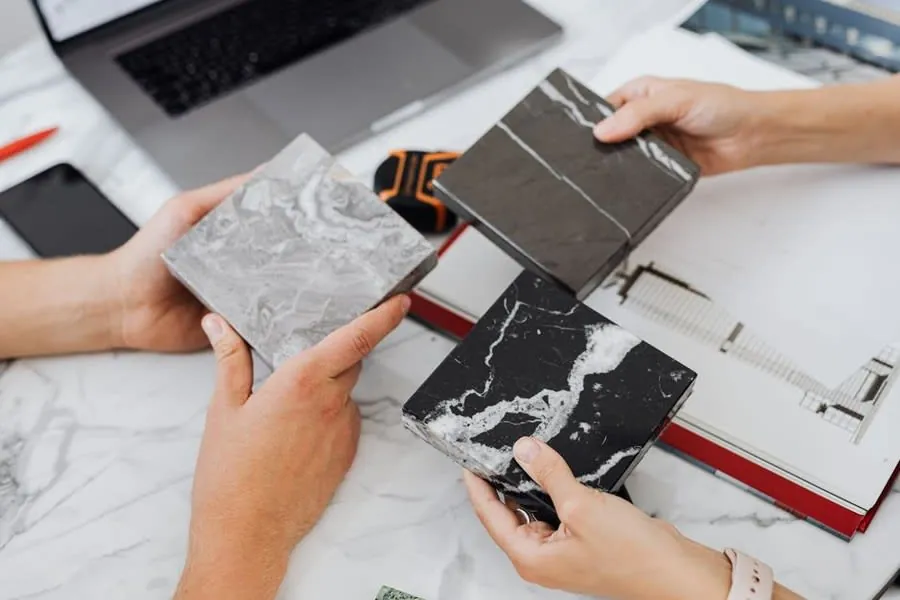
Porcelain has quietly become the great leveller. A well-chosen porcelain at twenty-five to forty pounds a square metre is dense, stain-proof, never needs sealing, and now mimics stone convincingly enough that we have watched clients fail to pick the marble-effect tile from the marble in their own finished room. Real stone remains glorious and we fit plenty of it, but it is a choice you make for the material’s character, accepting the sealing and the care it demands - not because it is better wearing. It is not.
What you should never economise on is the person laying them. A precise tiler on modest tiles produces a beautiful room; a rushed tiler makes sixty-pound stone look cheap, with lipping edges, drifting joints and cuts that land badly around fittings. Flat, well-set-out tiling is the finish everyone reads without knowing why. The floor deserves the same thinking, and slip resistance matters more than people expect there - we covered the options properly in our guide to bathroom flooring.
What Exeter’s houses do to this list
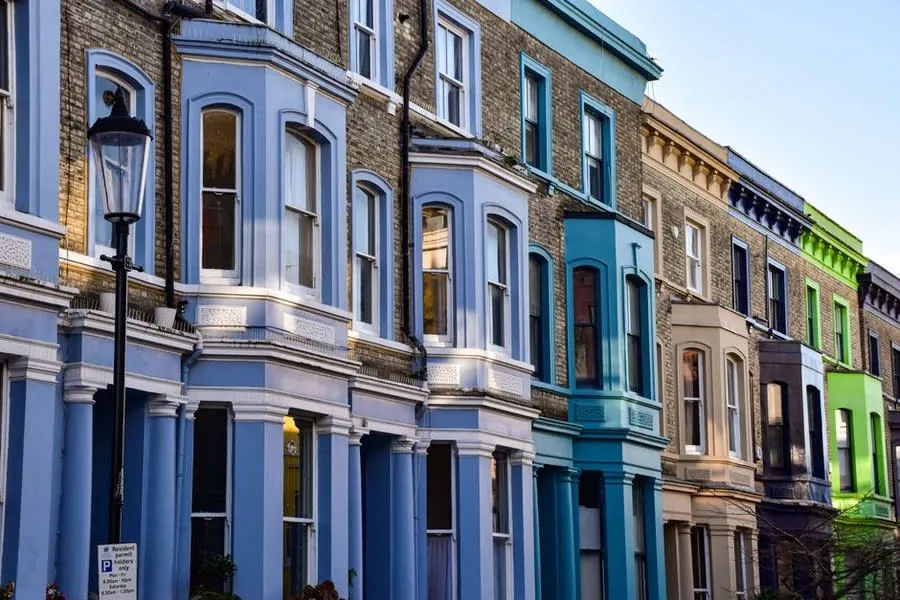
Local housing stock shifts the budget in ways a national cost guide never captures. In the Victorian and Edwardian terraces of St Leonard’s, Heavitree and Mount Pleasant, the bathroom usually sits over a suspended timber floor that has spent a century drying, bouncing and settling. Rigid tiled finishes need that floor stiffened and overboarded first, and the preparation budget grows accordingly. Original walls are rarely square either, which adds tiler hours - and hours are where renovation money really goes, since labour is typically the largest single slice of any full refit.
At the other end of the market, the new estates at Cranbrook and Monkerton hand you flat walls and quiet floors, which lets you move money from preparation into the touchable layer: better brassware, thicker glass. The builder-spec fittings themselves rarely justify keeping.
Whoever prices the work, get the buried items listed line by line - tanking, boarding, certification - rather than folded into one number. Trade bodies such as the Federation of Master Builders make the same point about itemised quotes, because a vague quote is usually vague precisely where the invisible work should be.
Common questions
What is the biggest waste of money in a bathroom renovation?
Expensive sanitaryware, comfortably. Above the mid-market, a toilet or basin buys shape and branding rather than function or lifespan. The money moved from a designer pan into the shower valve, the tanking and the tiler’s time improves the finished room in ways you feel every day.
What fails first in a cheap bathroom?
The moving and hidden parts: tap cartridges drip, flush valves hiss, enclosure rollers seize, and sealed shower valves fail behind tiles where reaching them costs many times the valve. The china and the tiles themselves almost never fail - which is exactly why they are the safe places to save.
Are expensive tiles worth it?
Only for the look, not for performance. Good porcelain at a modest price outperforms natural stone on staining, sealing and upkeep, and modern stone-effect porcelain is convincing. The finish people actually notice is the flatness and set-out of the tiling, so put the surplus into a better tiler rather than a dearer tile.
Is it worth paying more for a shower enclosure?
Yes, and it is one of the clearest upgrades on the schedule. Thick toughened glass with solid hinges feels better, seals better and cleans faster than a thin framed enclosure, and the frame channels you avoid are where mould otherwise takes hold. If space and budget fight, shrink the enclosure before you thin the glass.
Where should the money go in an older Exeter house?
Into the floor and the preparation. Suspended timber floors in the city’s period terraces need stiffening before tile, walls are rarely square, and hidden pipework is often due for renewal while everything is open. It is less exciting than the showroom layer, but in a period house it is the spending that decides how long everything above it lasts.