
Living At Home Through A Bathroom Renovation In Exeter When It's Your Only Bathroom
Luxury Bathrooms Exeter
Most bathroom renovation guides assume you have somewhere else to go. Plenty of Exeter households don’t. A two-up two-down in St Thomas, a 1930s semi in Whipton, a flat off Sidwell Street: one bathroom, one toilet, and a family that still needs both every morning. A straightforward bathroom renovation in Exeter runs eight to twelve working days on site, which is close to three calendar weeks once you count the weekends. A wet room can run to four. Within that, there are fixed waits nobody can shorten. Grout wants around 24 hours before it gets wet, and so does fresh silicone. So the question is how many of those days you’re actually without a toilet or a shower, and what you do about it. This guide is about the practical side of living through the job: toilets, washing, dust, noise, children and pets, and what to pin down with your fitter before anything comes off the wall.
How long a bathroom renovation in Exeter leaves you without a toilet or shower
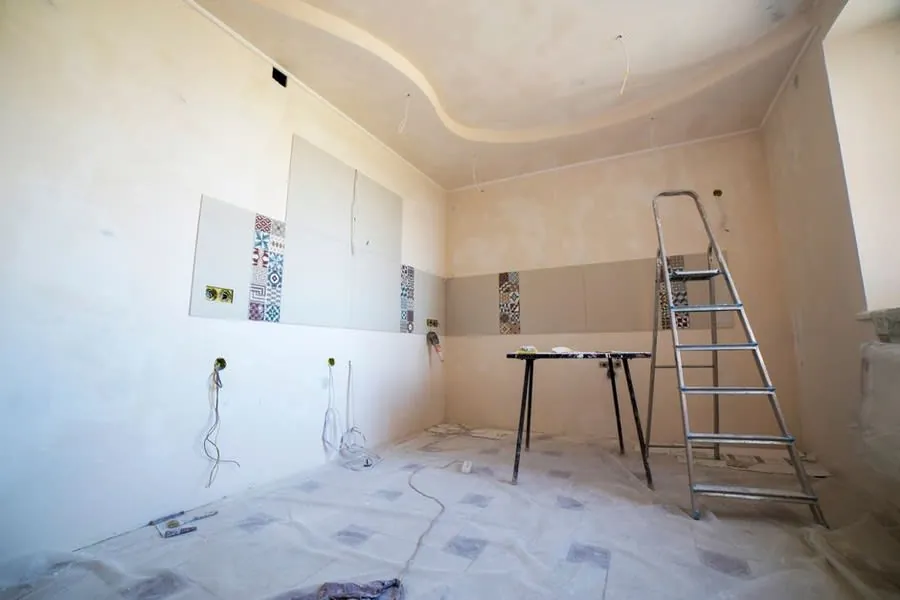
The shower and the toilet go out of action at different times, and they come back at different times. Mix them up and you plan the wrong fortnight.
The shower (or the bath) is usually gone from the first morning to the last afternoon. Once the old tray or bath is out, there’s nothing to stand in until the new one is fitted, sealed and cured. In a like-for-like room that’s most of the eight to twelve days. Where a wet room floor is being formed, count on the full three to four weeks, because the tanking, screed and tiles each need their own drying time before anyone steps on them.
The toilet is a different story, and much more negotiable. A fitter can often put the old pan back on a temporary connection at the end of the day for the first part of the job, while walls are stripped and pipes are moved. The stretch where that really can’t happen is when the floor is being boarded, waterproofed and tiled, typically two to four days, plus the day the new WC goes in. If someone tells you the toilet will be out for the whole job, ask why. Sometimes there’s a good reason (the soil pipe is being moved, or the floor is coming up completely). Often it just hasn’t been thought about. Our bathroom renovation page explains how the stages fit together.
Keeping a toilet going: the options, best to worst
If you have a downstairs cloakroom, skip this section. Everyone else has four realistic choices, listed here roughly in order of how pleasant they are.
Put the old toilet back each evening
This covers the early days. It costs nothing more than ten minutes of the plumber’s time, but it has to be agreed at the start, because a pan that went in the skip on day one can’t come back.
Borrow someone else’s
For the two to four “no toilet” days, a key to someone’s house a few streets away is often the easiest answer. It’s the night-time trips that make people look for something else, especially with young children or anyone who gets up in the night.
A camping cassette toilet
The sealed, flushable sort that caravanners use. It lives in a spare room or the garage, it’s emptied into the outside drain or a WC elsewhere, and it gets you through the nights. Not glamorous, but it works for a few days and you can sell it on afterwards.
A hired site toilet
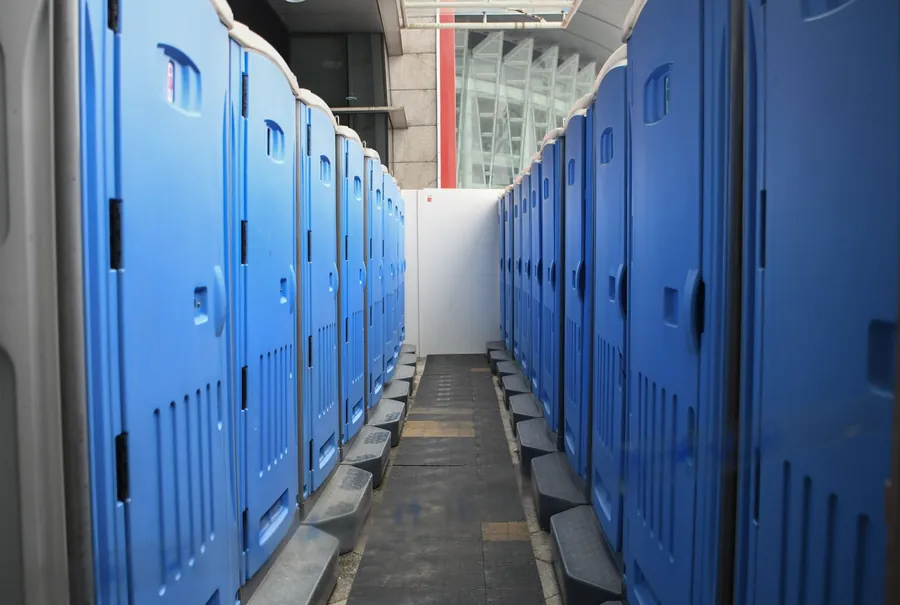
The plastic cabin you see on building sites. Hire firms deliver by the week, but it needs a level, reachable spot and a lorry that can get to it. That’s easy on a drive in Pinhoe and close to impossible on a terraced street in Heavitree. Worth it on a long wet room job for a big household; overkill for a straight swap.
Washing elsewhere when the shower’s out

Two weeks without a shower sounds worse than it is, as long as you decide where you’re going before the first morning rather than standing on the landing at seven o’clock working it out.
The city’s two council pools are the obvious fallback. St Sidwell’s Point, which opened in April 2022 as the first leisure centre in the UK built to Passivhaus standard, and the Riverside, whose pool reopened in 2021 after the fire, both have changing rooms with showers. A swim on the way to work and a shower afterwards is not a bad routine for a fortnight. If you already have a gym membership, now is when it pays for itself. Some households just plan visits: parents in Exwick, grown-up children in Alphington, a friend who doesn’t mind a towel on the radiator every other evening.
The kitchen sink covers a surprising amount. A strip wash, hair washed over the sink with a jug, and babies bathed in a baby bath on the kitchen floor all buy you days between proper showers. What we’d steer you away from is any kind of improvised shower rigged up downstairs. A hose on the kitchen tap is fine for rinsing hair. Water running across a floor that was never built for it is how a bathroom renovation ends up paying for a new kitchen ceiling too.
Dust, noise and the days the water goes off
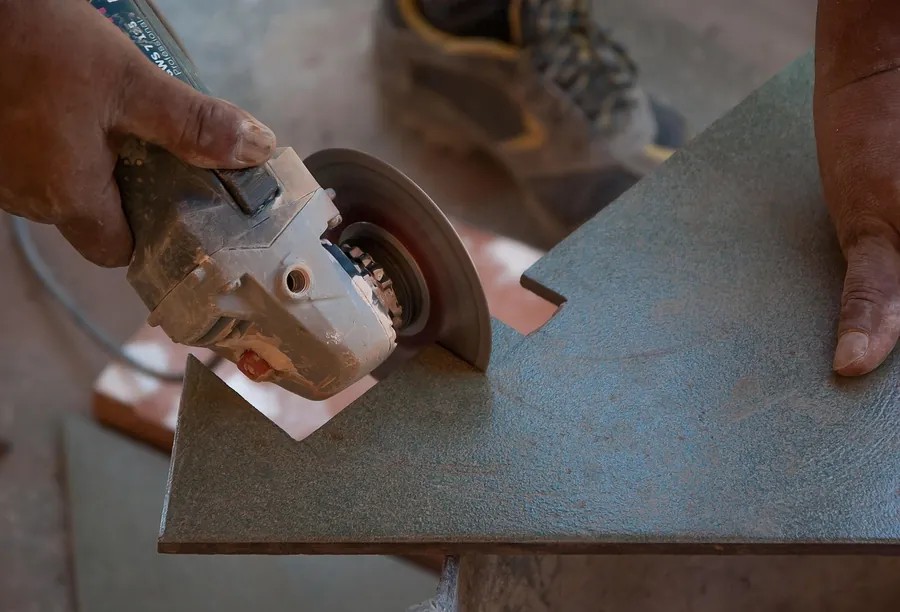
The first two days are the loud ones. Old tiles are knocked off, plaster comes with them, and a few hours of breaker and grinder can feel endless if you’re trying to work from the box room next door. After that it’s quieter, apart from tile cutting. If you’re on calls from home, ask which days are strip-out and book those somewhere else. The neighbours will thank you for a quick knock on the door beforehand, too, particularly through a party wall in a terrace.
Take the dust seriously, and not only because of the hoovering. Cutting porcelain and stone, chasing walls and sanding plaster all release fine silica dust, and the HSE’s guidance on construction dust and the risk to your lungs estimates that over 500 construction workers die each year from silica exposure. That’s a hazard for the trades in the room every day, but it’s also why tile cutting belongs outside or in a garage with extraction, not on your landing. Ask about it. Sheeting the stairs and the route to the door every morning, and taping a zip door across the bathroom doorway, keeps most of it where it belongs.
Water-off periods tend to be short but badly timed if nobody warns you. The plumber needs the supply off to drain down, cut in new feeds and fit isolation valves, usually for an hour or two at a time on the first-fix days. Once those valves are in, the rest of the house normally keeps its water. It helps to know where your own stop tap is before the job starts. WaterSafe’s guide to finding your internal stop tap says it’s most often under the kitchen sink, and it’s worth checking yours actually turns.
Children, pets and anyone who can’t manage the stairs

For young children, the risk isn’t the bathroom so much as the route to it. Tools on the landing, a cutting station in the garden, the front door propped open for the morning while the old bath goes out. A stair gate that stays shut helps, and so does a short talk about “the builders’ room” on the first morning. Bath time becomes the hardest part of the day for parents of toddlers, so it’s worth asking whether the bath can be one of the last things to come out, or the first to go back.
Dogs and cats need a plan for the door. Fitters are in and out all day carrying things, and a nervous dog that slips out onto a busy road is a much bigger problem than a delayed tiler. Cats are the more surprising risk. With floorboards up, a curious cat can get under the floor and into a void that’s about to be boarded over. Shut them in a room with a sign on the door, or ask a friend to have them for the noisiest days.
If someone in the house is older, unsteady or recovering from an operation, the night-time toilet trip is the thing to solve first. A commode borrowed for a few nights, or a stay with family over the tiling days, is far kinder than a dark landing with dust sheets on the floor.
Phasing the work so you’re never without both
The best schedule for a one-bathroom house isn’t always the fastest one. A good fitter can order the work so that the toilet stays usable for as many nights as possible, even if that adds half a day overall.
In practice, that means a few habits. The WC is reconnected at the end of each day until the floor work starts. The floor is done in one push, with the pan going back in first at second fix, before the vanity and the brassware. Where the toilet is in its own separate room, that room can be done a week before or after the bathroom, so the house is never without both. If the shower is being moved but the bath is staying in roughly the same place, the bath can sometimes be fitted and sealed early and the shower finished last, which gives you somewhere to wash a few days sooner.
If you’ve been thinking about a downstairs WC anyway, there’s a case for putting it in first. Doing that as an earlier, separate job means the main bathroom can then be done on its own timetable, with no camping toilets involved at all.
What to agree with your fitter before the first day
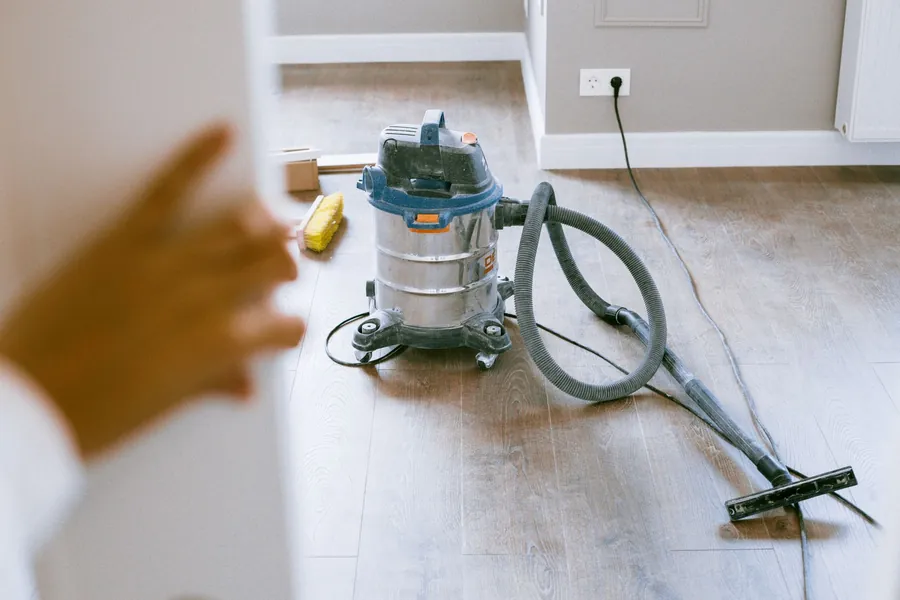
When living through a bathroom renovation goes badly, it’s usually because something nobody wrote down turned out to matter. Get these in writing alongside the quote, before work starts.
- A day-by-day plan that marks the “no toilet” days, the “no water” windows and the noisy days.
- Start and finish times, and whether anyone works Saturdays.
- Where tiles and stone get cut, and how dust is kept off the stairs.
- Who cleans up each evening, and whether the landing gets swept or vacuumed before the van leaves.
- Where the van parks and where waste goes. A skip on the road needs a licence from Devon County Council, which the council says the skip firm must apply for with at least ten working days’ notice. On a drive it doesn’t, and many fitters take waste away in the van instead.
- Keys, alarm codes and which rooms are off limits.
- What happens if something unexpected turns up under the floor, and how quickly you’ll hear about it.
That last point affects everything else on the list, because an unexpected rotten joist is what turns three “no toilet” days into six. Our guide to how long a bathroom renovation takes goes through the stages and the things that genuinely stretch them, which is useful to read alongside this one before you agree a start date.
Common questions
How long will I be without a toilet during a bathroom renovation?
For a straightforward room, usually two to four days, during the floor and tiling stage. The old toilet can often be reconnected each evening for the first part of the job, as long as that’s agreed before it’s removed. Moving the soil pipe or relaying the whole floor can stretch it further.
Can I still use the shower while the bathroom is being fitted?
Generally not. Once the old bath or tray comes out on the first day, there’s nowhere to shower until the new one is fitted and the silicone has had about 24 hours to cure. Plan on being without it for most of the job, and for three to four weeks with a wet room.
Should we move out during the renovation?
Most families don’t need to. A few nights away during the tiling days can help with toddlers, older relatives or anyone with a health condition, but a straightforward bathroom renovation is very livable if you’ve planned somewhere to wash and a toilet for the nights.
Is the dust from a bathroom renovation harmful?
It can be. Cutting tiles and stone and chasing walls releases fine silica dust, which is why cutting should happen outside or with extraction, and why the work area should be sealed off from the rest of the house. Keep children and pets away from the room while cutting is going on.
Talk to us about planning your Exeter bathroom around family life