
How Long Does A Bathroom Renovation Take?
Luxury Bathrooms Exeter
Somebody will tell you a week. They are describing a like-for-like swap in a sound room where nothing moves, and even then they are being optimistic about the last two days.
The honest range for a full bathroom in Exeter is eight to twelve working days on site for a straightforward room, and three to four weeks where the layout changes or a wet room is formed. Add the design and ordering that has to happen first and the whole thing runs six to ten weeks from the first visit to the last handover. Material lead times are the part people consistently underestimate, and natural stone is the worst offender.
What follows is the actual sequence, how long each stage takes and why, plus the five things that genuinely extend a job. The useful part is knowing which delays are avoidable and which are just physics.
The honest headline numbers
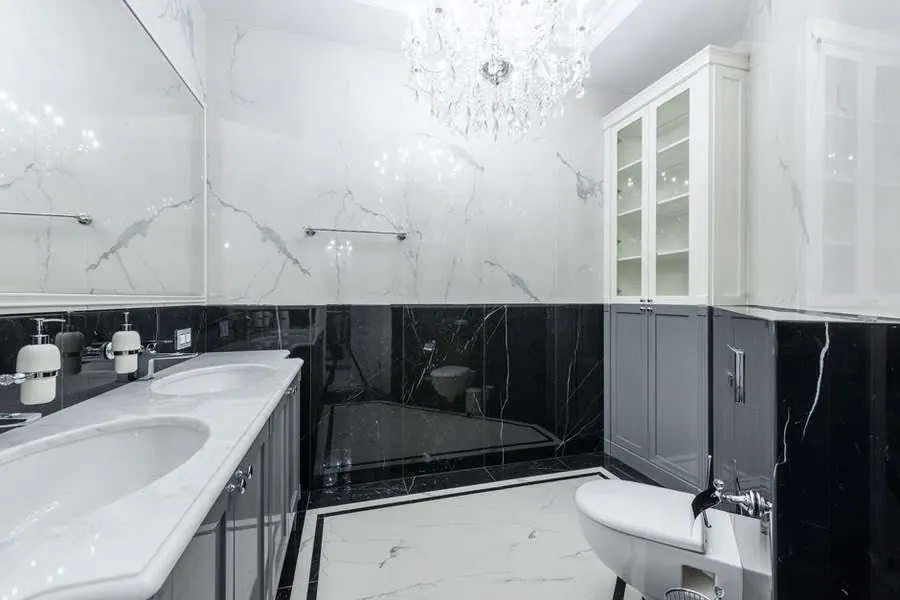
Three broad cases, assuming one team working continuously rather than trades booked separately.
A replacement in the existing layout, sound substrate, nothing moving: eight to twelve working days on site. A project where the layout changes, sanitaryware moves and waste runs are re-routed: fifteen to twenty working days. A fully tanked wet room, particularly on a first floor over old joists: three to four weeks, occasionally more if the floor needs structural work.
Those are site durations. The full calendar is longer because design and ordering come first, and because your project sits in a queue. Any competent bathroom firm in Exeter is booking weeks ahead, and often months in spring and autumn. A firm that can start on Monday in peak season is worth a polite question about why.
The reason we quote in working days rather than “about two weeks” is that it removes the argument. Twelve working days is nearly three calendar weeks once weekends are in, and being clear about that upfront prevents the conversation where everyone is annoyed on day fourteen. Our design process page sets the same timings out stage by stage.
Design and ordering: two to seven weeks before anyone arrives
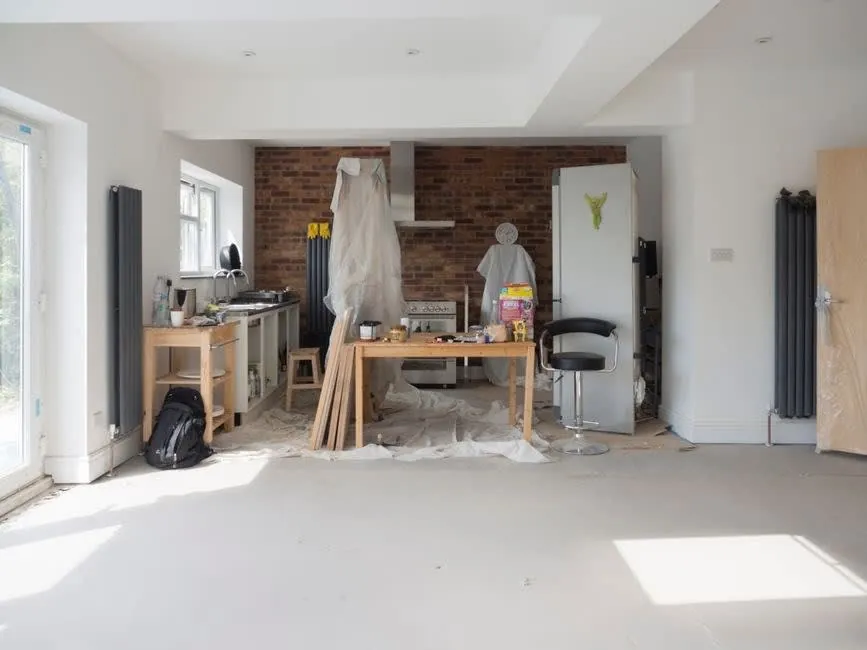
This is the stage people forget when they picture a timeline, and it is usually the longest one.
A measured survey takes about an hour. Drawn layouts and a written specification take two to three weeks, longer if the property is listed or in a conservation area, because the consent position has to be established before the layout can be fixed - and Exeter has 20 conservation areas and over 1,800 listed buildings, with Topsham’s conservation area dating from 1967.
Then materials. Standard porcelain and stocked brassware might be a week. Natural stone, specified brassware, made-to-measure joinery and anything imported runs two to four weeks and occasionally longer. We order everything and confirm it has physically arrived before booking your start date, which sounds obvious and is not universal. Starting a strip-out and then discovering the vanity is six weeks out is how people end up living around a half-finished bathroom.
The one part of this stage with no fixed length is you deciding. That is not a criticism - it is genuinely the stage least worth rushing, because every decision made on a drawing is free and every decision made on site is not.
Strip-out and first fix: three to five days
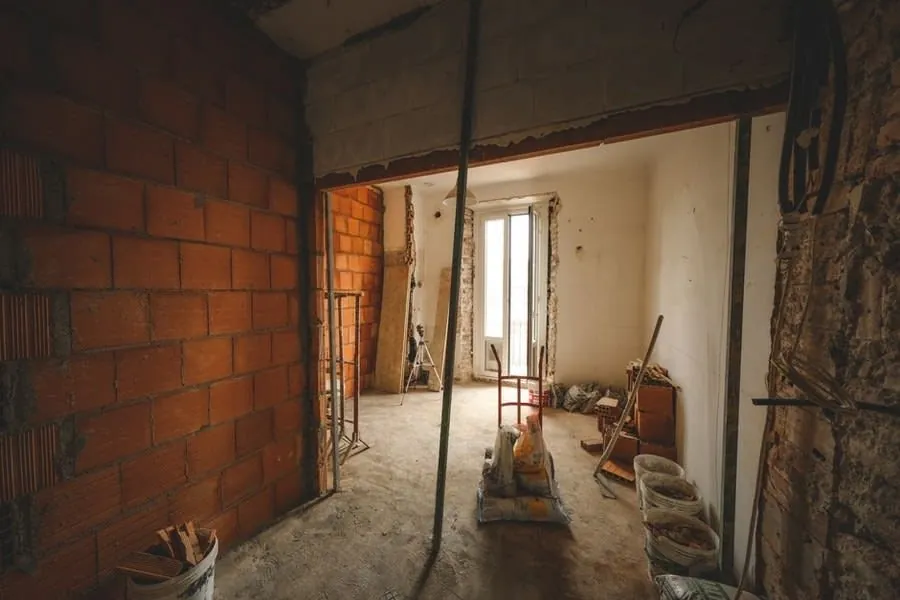
The old suite comes out and the room goes back to substrate. In a modern house this is fast and predictable. In a Victorian terrace in Heavitree or St Leonard’s it is the stage where the house tells you the truth.
The usual finds are lead or steel feeds, a waste run modified badly at some point in the last fifty years, an undersized trap, or a joist end that has been quietly damp since a leak nobody dealt with. None of that is unusual and none of it is a disaster, but each adds anywhere from half a day to two days. This is exactly why our quotes list the specific risks the survey identified with a cost against each - if we are right, nobody is surprised, and if we are wrong you do not pay it.
First fix follows immediately: pipework and cabling re-routed to suit the new layout, frames fixed for wall-hung fittings, and electrics kept to the correct zones. If the layout is changing significantly this stage stretches, because a new waste run has to achieve fall within the branch limits and sometimes the only viable route is the long way round.
Substrate, tanking and screed: three to six days, and this is the one you cannot rush
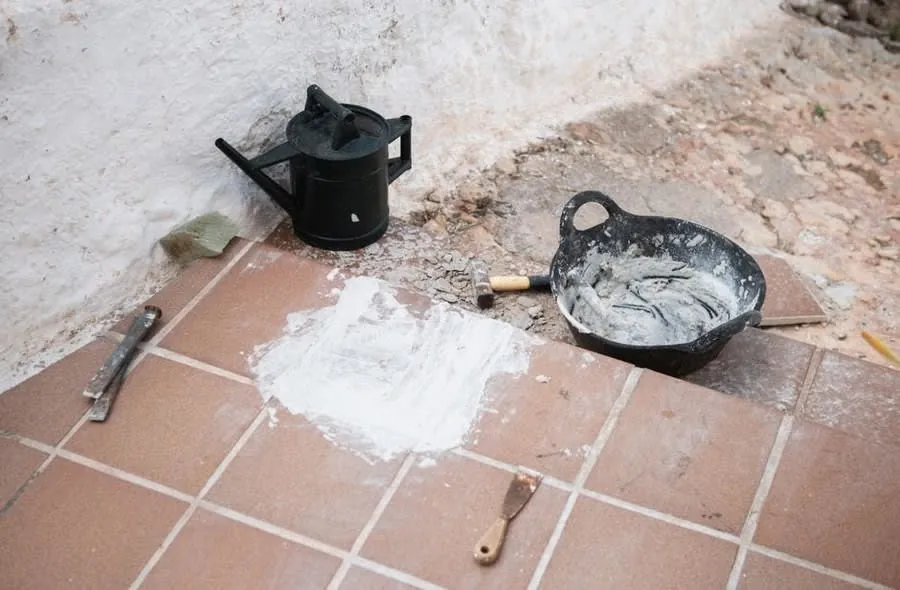
Here is where timelines are genuinely constrained by chemistry rather than labour, and where corner-cutting does the most damage.
Walls and floors get boarded and primed. Wet areas are tanked as a complete system - membrane, tape, corners and primer from one manufacturer, because that is the condition of the warranty. In a wet room the falls are formed and checked with a level before any waterproofing goes down. Each of those stages needs its predecessor to be properly cured before the next one goes on.
Primers need to flash off. Tanking membranes need their stated cure time, typically overnight and sometimes longer in a cold room - and an unheated Devon bathroom in February is a cold room. Screeds need considerably longer. You cannot compress this by adding people, and a firm that promises to tank and tile on the same day is telling you something important about how they work.
This is why a wet room takes noticeably longer than a shower enclosure, and it is the one part of the programme we will not shorten under pressure. If a job is running behind, the honest fix is to move the handover date rather than to tile onto tanking that has not cured.
Tiling: three to five days, longer for stone
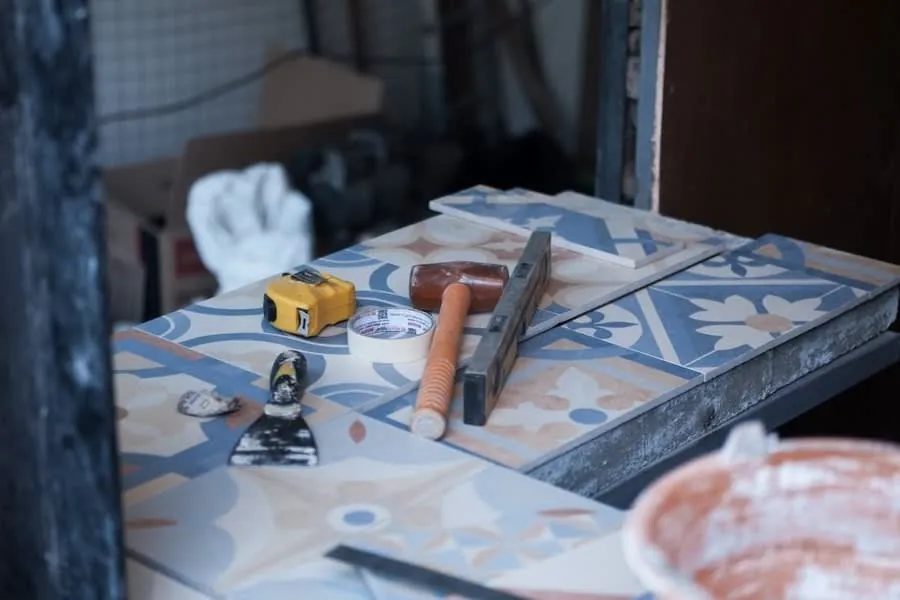
Walls and floor in a typical bathroom take three to five days including grouting. Large formats and natural stone take longer, for reasons that are worth understanding rather than resenting.
Set-out has to be planned before any adhesive is mixed - where the first full tile lands, which corner takes the cuts, how courses relate to the door frame and the top of the shower screen. Large-format and book-matched stone gets dry-laid on the floor first so the veining runs correctly and matched pairs actually match. That is half a day nobody sees in the finished room and it is the difference between a room that looks designed and one that looks assembled.
Then adhesive has to cure before grouting, or the grout cracks. Then grout has to cure before sealing. Natural stone needs sealing, sometimes in multiple coats. None of it is fast and all of it is visible for the next twenty years, which is a reasonable trade.
Second fix, commissioning and handover: two to three days
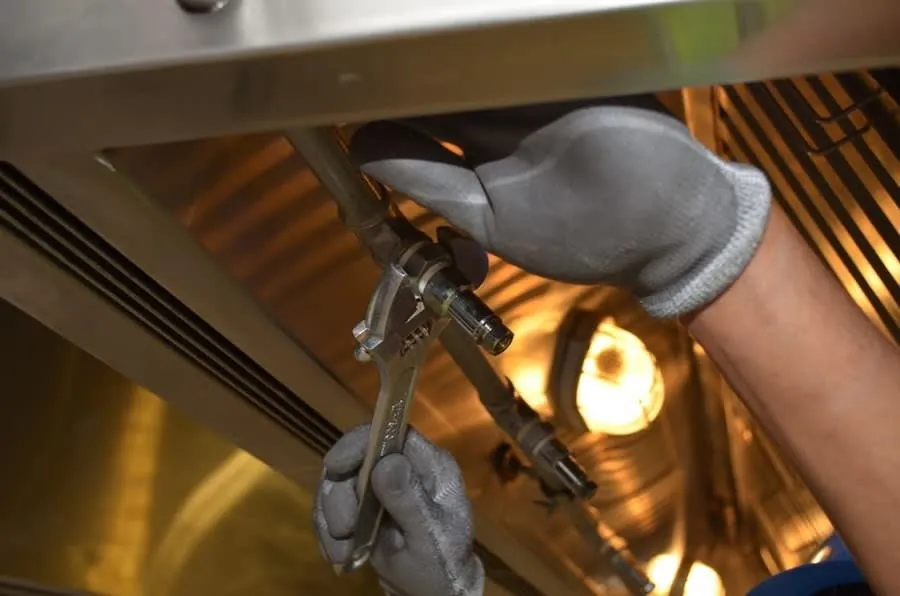
Sanitaryware and brassware go on, silicone goes in, and the room gets commissioned rather than just switched on.
Commissioning means thermostatic valves balanced to the pressure your house genuinely has, and extraction tested against the required rate rather than assumed - Approved Document F sets 15 litres per second for intermittent bathroom extract, with a run-on of at least 15 minutes where there is no openable window. Where notifiable electrical work was carried out, the certificate is issued. Silicone needs 24 hours before the shower is used, which is the most commonly ignored instruction in the whole job and the reason some brand new showers leak at the tray edge in week one.
Handover is an hour: we walk the room with you, hand over the written specification of exactly what was installed, register the manufacturer warranties in your name, and leave a care guide for the finishes. That last part matters more in the hard-water East Devon towns than in Exeter, where the water is soft.
The five things that actually add weeks

In rough order of how often they bite.
Material lead times, and the fix is entirely within your control: decide early and let us order early. Structural discoveries in older property, which the survey mitigates but cannot eliminate. Layout changes agreed mid-project, which are the most expensive kind of delay because they undo completed work - changing a valve position after first fix means opening a wall we have just closed.
Listed building consent, which is a real programme item rather than a formality in Topsham, central Exeter and Sidmouth. And notifiable work discovered late: a new circuit, altered circuits inside the special location around the bath or shower, changes to below-ground drainage, structural alterations or a new window all bring building control in, and GOV.UK sets out what that involves. Establishing which of those apply at quote stage costs nothing. Discovering one in week two costs a fortnight.
A note on living with it. You are still in the house, so the work should be sheeted daily rather than at the end, and a dust sheet on the landing every morning is not a courtesy. If it is your only bathroom, ask for the specific days the WC will be genuinely unavailable before work starts - a good firm can usually keep one working for most of the project, and will tell you plainly when they cannot. Which? recommends getting the schedule in writing along with the quote, which is sensible for exactly this reason. If you are weighing up how a longer, more disruptive job pays off, our piece on what a new bathroom is actually worth puts numbers to it.
Common questions
Can you work weekends to finish faster?
We can on some stages and it rarely helps as much as people hope, because the constraint is usually curing time rather than labour hours. Adding a Saturday to the tiling week is useful. Adding one to the tanking week achieves nothing, because the membrane cures at its own pace regardless of who is standing next to it.
What happens if you find something unexpected?
You hear the same day, with a price, before we carry on. Anything the survey flagged as likely is already costed in the quote as a named possibility. Genuinely unforeseeable finds get discussed rather than absorbed quietly and presented at the end, which is the practice that generates most of the horror stories.
Do I need to be at home?
No, and most clients are not. We agree access at the start and send photographs at the end of each significant stage, so you can see the first fix and the tanking before they disappear behind tile. That record is also useful when you sell.
Is a longer quoted timeline a bad sign?
Usually the opposite. A firm quoting eight working days for a wet room either has not understood the job or is planning to skip the curing times. A realistic programme with the stages broken out is a much better indicator of competence than a fast one.
Will the price change if it takes longer?
Not with us, unless the scope changes. A fixed written quote is fixed - if a stage takes us longer than planned, that is our problem. What can change the price is you changing your mind, or a genuine unforeseen find, and both get discussed and agreed before any extra work happens.